
By Aminu Garko
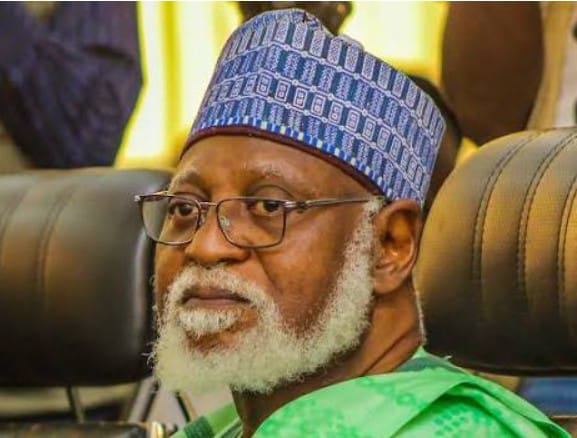
As Nigeria marks the 84th birthday of Gen. Abdulsalami Abubakar, it is fitting to reflect on the role of a statesman whose leadership at a critical moment helped return the country to democratic rule.
Abdulsalami occupies a distinct place in Nigeria’s political history. While many leaders are remembered for the length of their tenure, he is remembered for the quality of his service, his commitment to national unity, and his decision to oversee a transition to civilian government after years of military rule.
Born on 13 June 1942 in Minna, Niger State, he had a military career spanning several decades. He served in various strategic roles and rose to become Chief of Defence Staff.
In June 1998, following the death of Gen. Sani Abacha, Abdulsalami assumed office as Head of State at a time of political uncertainty, economic challenges and international isolation. Many Nigerians questioned whether military rule would continue.
What set him apart was his recognition that Nigeria’s stability required a return to democratic governance. Within days, he announced a transition programme to hand over power to a civilian administration.
He released political prisoners, initiated constitutional reforms, restored confidence in the political process, and supervised elections that were widely regarded as credible.
True to his promise, he handed over power to President Olusegun Obasanjo on 29 May 1999. That handover marked the start of the Fourth Republic, now the longest uninterrupted period of democratic rule in Nigeria’s history.
This achievement alone secures Abdulsalami a place among the architects of modern Nigeria. His actions showed that leadership is about serving the public good and strengthening institutions, not holding power indefinitely.
His leadership style was defined by humility and inclusiveness. He governed with a calm disposition, avoided unnecessary confrontation, and engaged stakeholders across ethnic, religious and political lines to build trust in the transition process.
Since leaving office, Abdulsalami has continued to serve as an elder statesman and peace ambassador. Through conflict resolution, election monitoring and national dialogue initiatives, he has remained a voice for peace, tolerance and democratic consolidation.
As Chairman of the National Peace Committee, he has helped secure commitments from political parties and candidates to conduct peaceful elections. The initiative has reduced political tension and strengthened democratic practice.
Across Africa and beyond, he is recognised as a mediator and bridge-builder. His neutrality and credibility have made him a trusted figure in efforts to resolve conflicts and promote stability.
At 84, Abdulsalami stands as a symbol of patriotism and responsible leadership. His example reminds Nigerians that public office is a trust, that national interest must come before personal ambition, and that dialogue and consensus are essential to sustainable development.
As the country celebrates him, his legacy of peaceful transition, democratic commitment and selfless service offers a standard for present and future leaders.
Happy 84th birthday to Gen. Abdulsalami Alhaji Abubakar, GCFR — patriot, peacemaker and elder statesman.


