
113M PEOPLE TREATED FOR LYMPHATIC FILARIASIS, RIVER BLINDNESS AS NIGERIA EYES 2030 NTDs ELIMINATION TARGET

113M PEOPLE TREATED FOR LYMPHATIC FILARIASIS, RIVER BLINDNESS AS NIGERIA EYES 2030 NTDs ELIMINATION TARGET
By Aminu Garko
Kano, Nov. 5, 2026, Nigeria is moving closer to the 2030 target of elimination of Neglected Tropical Diseases (NTDs).
Nigeria accounts for one third of NTDs cases in Africa.
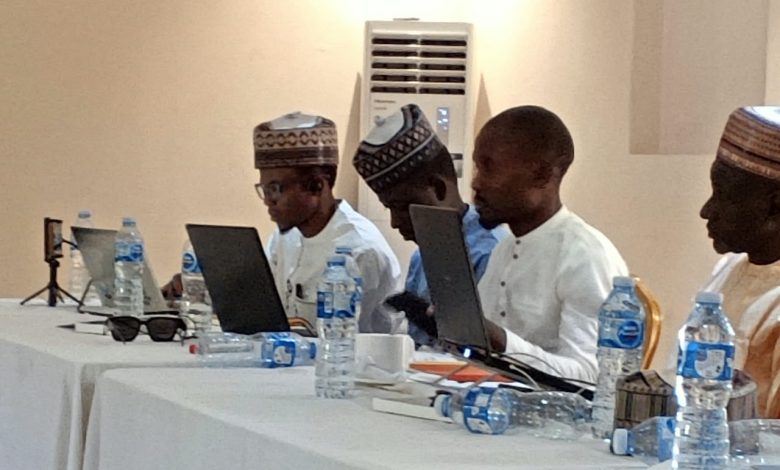
At a meeting with stakeholders in Kano, Abdulsalam Muhammad, the Monitoring, Evaluation and Education Officer of Sightsavers, said between 2024 and 2026 over 113 million people have been treated against river blindness and lymphatic filariasis.
Muhammad said while 73 million people were treated for river blindness, 39 million others received treatment for lymphatic filariasis which happens once or twice a year until transmission of the diseases stops.
“Nigeria has made progress towards lymphatic filariasis elimination as 436 people out of 583 no longer require treatment but to achieve the target of elimination by 2030 the media must continue to create awareness and track policies and commitment of government towards elimination of NTDs,” he said.
He further said when issues are not reported, they hardly get the attention they deserved to be addressed citing example of how children ravaged by diseases like NTDs are ultimately prevented from attending school leading to the increasing number of out of school children.
Also speaking, a medical practitioner, Dr Joshua Ibenu, said about 4.25 million Nigerians are either blind or visually impaired out of which only 4.4 per cent access eye care services.
Ibenu explained that while 43 per cent blindness is caused by cataracts, 84 per cent of blindness is avoidable, noting that investment in cataract surgery, spectacles can generate significant social and economic returns because poor vision costs Nigeria billions of naira in lost productivity.
On her part, Prof. Joy Shuaibu, the Country Director of Sightsavers, said tackling global vision crisis where over one billion people are at risk is critical when funding is shrinking because of the ongoing global crisis.
She added that Sightsavers currently working in 34 countries will ensure that people with eye challenges do not go blind so as to make an impact in their respective communities.
While imploring media to promote accountability, Shuaibu announced plans to digitise Nigeria’s eye health data in furtherance of contribution to the National Eye Health Policy.


