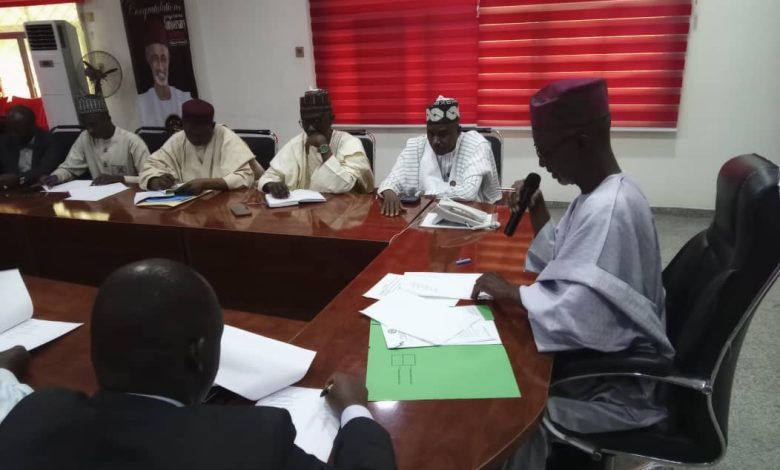
Kano – September 2, 2026 – The Kano State Government has constituted a 20-member Advisory Committee on Almajiri Education and Welfare Reform as part of efforts to reform and reposition the Tsangaya education system in the state.
The Secretary to the State Government, Umar Faruk Ibrahim, said in a statement on Tuesday that the initiative was approved by Governor Abba Kabir Yusuf. It is aimed at developing a sustainable framework for regulating and integrating the Tsangaya system while safeguarding the welfare, dignity and future of children within it.
The committee is chaired by the Attorney General and Commissioner for Justice, Abdulkarim Kabir Maude, SAN. The Permanent Secretary, Ministry of Finance, Amina Yusuf Yargaya, will serve as Secretary. Salisu Musa Aliyu and Hafsat Tijjani Shehu will serve as Co-Secretary and Assistant Secretary respectively.
According to the statement, the composition reflects a broad, multi-sectoral approach, bringing together representatives of government, traditional institutions, Islamic and religious bodies, the legal profession, the education sector and child-rights advocacy.
Members include the Commissioners for Education and Information; Director General, Special Services Directorate; Chairman of the Law Reform Commission; representatives of the Council of Emirs, Sharia Commission, Zakkat Commission and Hisbah Board; Special Advisers on Justice and Constitutional Matters and Tsangaya; representatives of Sa’adatu Rimi College of Education, the Nigerian Bar Association, child-rights advocacy groups and other stakeholders.
The committee has been mandated to undertake a comprehensive assessment of the existing Tsangaya system and engage stakeholders towards developing regulatory, integration and enforcement frameworks for effective reform.
It will also develop a roadmap for pilot implementation, monitoring and long-term sustainability of the proposed reforms, while examining relevant best practices and models that can strengthen the system.
A key component of the assignment is the integration of Qur’anic education with literacy, numeracy and vocational skills to create greater educational opportunities for children while preserving the religious and cultural foundations of traditional Qur’anic education.
The committee is also expected to recommend measures to eliminate exploitative practices and strengthen child-protection mechanisms, as well as develop a legal framework for the registration and licensing of Tsangaya schools, effective oversight and sanctions for violations.
It will further examine sustainable funding mechanisms and promote engagement with Qur’anic teachers, parents, religious scholars, traditional rulers and communities as essential partners in the reform process.
Responding on behalf of the committee, Maude expressed appreciation to the state government for entrusting the committee with the responsibility. He assured that members would discharge their assignment diligently and in accordance with the laws of the Federal Republic of Nigeria and Kano State.
The government emphasised that the reform initiative is not intended to undermine the traditional Qur’anic education system, but to strengthen and reposition it through a balanced framework that preserves its Islamic and cultural foundations while providing children with essential literacy, numeracy, vocational and life skills.
It reaffirmed its commitment to working with traditional institutions, religious scholars, Qur’anic teachers, parents, communities and other stakeholders to build a more inclusive, regulated and sustainable system.
The reform, the government said, is designed to ensure that children within the Tsangaya system are protected from abuse and exploitation, have access to quality and relevant education, and are adequately prepared to contribute to the future development of Kano State.