Performance appraisal is an essential tool in evaluating suitability for higher responsibility, continued placement, or, in some cases, reassignment. It helps identify performance gaps and areas requiring improvement through training, skill development, and attitudinal change—all aimed at enhancing productivity and effectiveness.
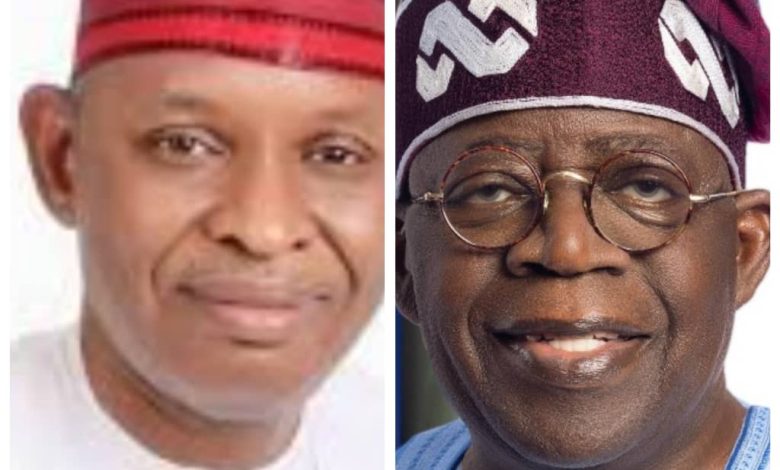
In a similar context, President Bola Ahmed Tinubu emerged from a rigorous democratic process in 2023, having been elected by Nigerians to lead the Federal Republic of Nigeria.
Campaign Promises and Expectations
During his campaign, Tinubu traveled extensively—by road and air—seeking the mandate of the Nigerian people. He made several key promises, including:
- Ensuring stable and uninterrupted electricity supply (24/7)
- Creating one million jobs annually
- Revitalizing the economy to achieve unprecedented growth
- Promoting industrialization through policies that attract foreign investment while enabling local investors to thrive
These commitments resonated strongly with citizens, given the long-standing challenges facing the country.
Early Policy Decisions and Their Impact
At the outset of his administration, President Tinubu made bold and immediate policy decisions. Notably, in his inaugural address, he announced the removal of petroleum subsidies and proceeded with the floating of the naira against international currencies.
While these decisions were seen by some as necessary economic reforms, their implementation created significant short-term challenges.
Economic Realities and Outcomes
The consequences of these policies have been profound:
- Rising unemployment, contrary to the promise of job creation
- Severe depreciation of the naira, reaching historic lows comparable to the era of the Structural Adjustment Programme
- Increased cost of living, placing heavy pressure on households and businesses
Additionally, Nigeria’s continued reliance on imported petroleum products—despite possessing domestic refining capacity—remains a major concern. The refineries in Kaduna, Warri, and Port Harcourt have largely remained inactive, yet continue to incur operational costs.
As a result, Nigerians face higher fuel prices, often linked to global dollar rates.
Infrastructure and Sectoral Performance
Progress in key sectors appears mixed:
- Railway development, which gained momentum under the previous administration, seems to have slowed
- Road infrastructure projects are advancing at a gradual pace
- The coastal highway project, though ambitious, remains ongoing with significant financial implications
- The student loan scheme has faced administrative and logistical challenges, limiting its effectiveness
Political Landscape and Democratic Concerns
The All Progressives Congress (APC) has now been in power for over a decade. However, concerns are growing about:
- Economic hardship among citizens
- Shrinking political space, with fears of a drift toward a one-party dominance
A healthy democracy depends on strong and credible opposition. Any perceived attempt to weaken opposition voices could undermine democratic balance and accountability.
Conclusion
The Tinubu administration began with high expectations and bold reforms. However, the outcomes so far present a complex picture—marked by difficult economic transitions, policy challenges, and growing public concern.
Ultimately, the strength of a multi-party democracy lies in the electorate’s ability to evaluate leadership performance and make informed decisions.
History will judge every administration not only by its intentions but by its impact.
Mahmud Shuaibu Ringim
mahmudshuaibu44@gmail.com