
Development
By Aminu Garko
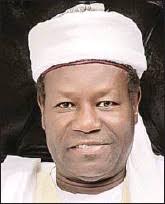
Zaria ( Kaduna State ) Dr Nasir Danladi-Bako, former Director-General of National Broadcasting Commission (NBC), has urged Nigerian youths to channel their energies and contribute to national development.
He made the call in a paper he presented at a symposium organised by Faculty of Arts Alumni of the Ahmadu Bello University (ABU), Zaria, Kaduna State.
The ex-NBC boss, who spoke on “Role of the Youth in National Development: Economy, Security and Stability”, urged youths to serve as catalysts for social change.
He said “Nigerian youths must utilise their energies and deploy same to national development of this great country.
“This is because they will all grow old one day and will like to enjoy their old age in a developed, likeable, enjoyable and prosperous country.”
He encouraged government to improve access to investment capital for youths-friendly initiatives to achieve more.
The measure, he added, would engender optimal utilisation of youths’ potential toward national development.
“This definitely will drive the country toward a stable economy and quality life,” he said.
On insecurity, Danladi-Bako, who holds the traditional title of “Kogunana Sokoto”, described the Nigerian state as “literally under siege from bandits in the North-West, Boko Haram in the North-East, kidnapping in North-Central and South-West, while separatists and regionalists have overwhelmed the South-East.
“Sadly, about 80 per cent of the culprits are between the ages of 18 and 40 years, which essentially makes them youths.
“The criminality of the youths can be traced to so many factors, ranging from poor education, bad societal values, craze for wealth, open glorification and canonisation of identified criminals and men of noted misbehaviour.”
He, therefore, urged youths to be instruments of positive activism as witnessed in other countries, while calling on stakeholders to re-orientate the younger generation as a matter of urgency.
“There must be intentional advocacy for improved lifestyles within the academic curriculum of our primary and secondary schools so as to develop a renewed identity and culture,” he stressed.


